Views: 0 Author: Site Editor Publish Time: 2025-10-22 Origin: Site


Properly storing Military Gear is essential for ensuring long-term durability, quick deployment readiness, and cost savings. Tactical equipment like helmets, vests, plate carriers, and backpacks are exposed to demanding environments, and how you store them afterward directly affects their performance and lifespan. At Guangzhou Alida Trading Co. Ltd., we understand that keeping your gear organized, dry, and well-maintained is just as important as its design and production. In this guide, we’ll explain how to properly store tactical equipment to preserve its structure, reliability, and protection — whether you’re preparing for the next mission or simply keeping your setup ready for training.
Every piece of tactical gear has been engineered to perform under pressure — but without the right storage methods, materials degrade faster than expected. Proper storage helps retain the structural integrity of body armor, prevents rust and mildew, and ensures your loadout remains ready at all times.
Improper storage leads to predictable types of damage:
Moisture and mildew: When tactical clothing, carriers, or pouches remain damp, fungus and bacteria quickly weaken fibers, leading to unpleasant odors and structural decay.
Compressed padding: Stacking or folding ballistic vests can permanently deform internal pads, reducing protection and comfort.
Rust and corrosion: Metal components like buckles, firearm parts, and tools are highly susceptible to rust if stored in humid areas.
De-lamination: Adhesive bonding layers in ballistic panels can separate over time when exposed to heat or moisture, lowering ballistic resistance.
Understanding these failure modes highlights why storage is not just about organization — it’s a matter of performance and safety.
Correct storage extends your gear’s life by years. That means fewer replacements and a smaller maintenance budget. Beyond cost savings, organized storage ensures faster preparation — your equipment is clean, dry, and in the right place when you need it most. For soldiers, police officers, and security professionals, readiness can make the difference between efficiency and failure.
Tactical equipment should be stored in a controlled environment with the right balance of temperature, humidity, and ventilation. Following basic care practices ensures your tactical gear storage system supports longevity and operational safety.
Keep your storage room between 10°C–25°C (50°F–77°F) with humidity below 50%. High humidity encourages mold and corrosion, while extreme heat weakens ballistic fibers like Kevlar and UHMWPE. A well-ventilated space with indirect light helps prevent material degradation and keeps the environment fresh.
If you live in humid regions, use dehumidifiers or silica gel packs inside lockers and storage bins. For long-term storage, airtight containers or climate-controlled cabinets are ideal for protecting sensitive materials.
Never store gear without cleaning it first. Remove dust, sweat, and mud from fabrics using mild soap and water — avoid bleach or alcohol-based cleaners that can damage ballistic materials. Allow items to air dry completely before storage. Damp equipment encourages mold growth and weakens fibers over time.
For medical kits, check expiration dates and replace consumables before returning them to storage. For firearms, perform a basic cleaning, apply a thin coat of lubricant, and ensure ammunition is stored separately in a dry, ventilated safe.
Body armor and helmets should never be folded or compressed. Instead, hang them upright on dedicated hangers or racks that support their weight evenly. This prevents deforming the protective materials and ensures they maintain their ergonomic shape. At Guangzhou Alida Trading Co. Ltd., we offer specialized hangers and racks designed to keep your tactical vests, helmets, and carriers perfectly supported during storage.
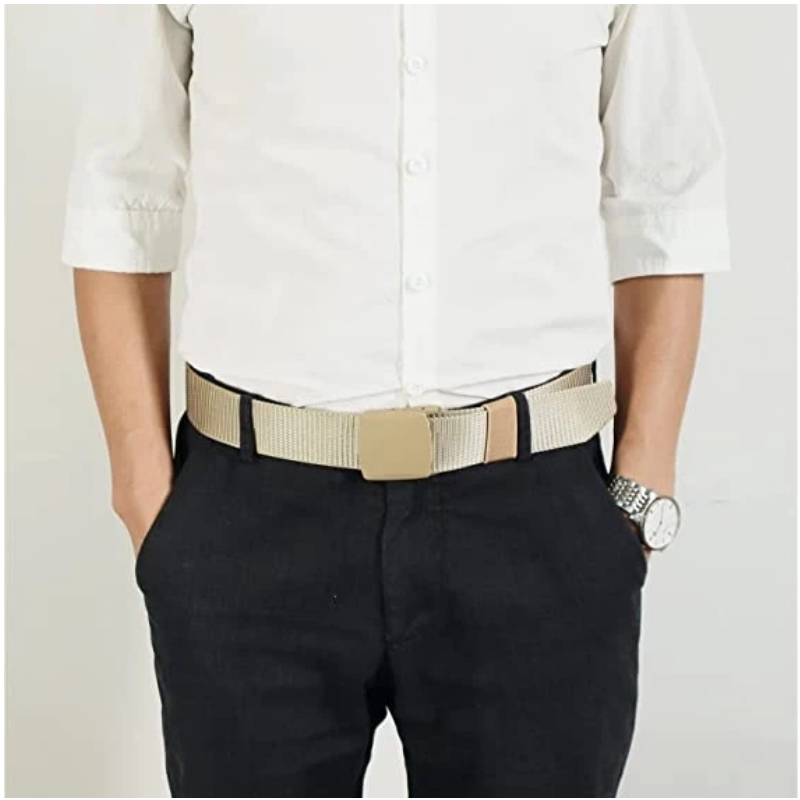
Whether you’re storing a single tactical vest or maintaining an entire squad’s inventory, organization determines efficiency. A well-structured storage system reduces clutter and helps you locate essential gear instantly.
For active users, daily-access storage should prioritize speed and visibility. Open shelves, labeled bins, and wall-mounted hangers make gear retrieval effortless. Long-term storage, by contrast, focuses on preservation. Sealed boxes, dust covers, and climate-controlled lockers help maintain pristine condition for rarely used equipment.
Use heavy-duty shelving made from rustproof steel or aluminum to support heavy packs and armor. For plate carriers, invest in wide-shoulder hangers that distribute weight evenly. Gun safes are essential for firearms and ammunition, ensuring both safety and environmental protection.
Our company supplies storage kits, garment bags, hangers, and modular racks compatible with different gear types. Each product is engineered from durable materials like coated steel or reinforced ABS to provide stability, longevity, and easy installation.
Small accessories — magazines, medical supplies, batteries, and optics — should be sorted in modular bins with clear labels. This minimizes confusion and saves time during deployments. Transparent bins or color-coded tags help track contents and avoid mix-ups between training and live-duty gear.
Each component of military equipment has unique storage requirements. Understanding how to store them correctly ensures all materials retain their strength and function.
Helmets should be stored on dedicated stands or hooks that avoid pressure points. Never stack helmets — it can deform padding and cause surface scratches. Ballistic plates should be stored vertically in padded cases or racks to prevent bending or cracking. Avoid exposure to direct sunlight, as UV radiation degrades composite materials.
Hang tactical vests and plate carriers on sturdy hangers. Never fold them or stack them under heavy items. Before storage, remove ballistic plates if the carrier design allows, clean both separately, and ensure everything is dry. This approach prevents material compression and bacterial growth.
Empty your backpack completely and brush off dirt before storing. Hang or loosely fold it, ensuring zippers are closed and straps are untangled. Treat metal zippers with a light lubricant to prevent rust. For long-term storage, stuff the interior with paper or soft filler to help maintain shape.
Remove all batteries from electronics such as flashlights, night vision goggles, or communication devices. Store them in separate sealed cases to prevent corrosion. Optics and lenses should be cleaned gently and stored with lens caps on in dry, padded containers. Using silica gel packets inside sealed boxes prevents fogging and rust.
Storage isn’t just about putting gear away — it’s about maintaining operational reliability. Regular inspection schedules can prevent unexpected failures.
Conduct a monthly inspection for gear in frequent use. Check for torn straps, worn stitching, rust, or cracks. Clean and lubricate metal components. For quarterly inspections, focus on ballistic materials — look for soft spots, delamination, or deformation. Document your findings to track wear patterns and anticipate replacements.
Ballistic components have a limited service life, typically around five years depending on usage and material. Keep a digital or written record of each plate and vest’s manufacturing and inspection dates. Replace components immediately if they show any sign of structural compromise, even before expiration.
Guangzhou Alida Trading Co. Ltd. manufactures and supplies a full range of tactical and storage accessories designed to protect your gear and extend its service life. Our catalog includes:
Heavy-duty plate carrier hangers to prevent deformation.
Adjustable helmet racks for secure display and ventilation.
Modular storage kits for organizing pouches, med kits, and electronics.
Dust-resistant garment bags for uniforms and tactical clothing.
Steel shelving systems compatible with military-grade loads.
All our storage solutions are engineered from high-grade materials like Nylon 1000D, Cordura 1000D, Kevlar, and PE — the same materials we use in our protective gear manufacturing. Whether you are equipping a single operator or managing a tactical unit’s inventory, our solutions can be customized for your specific space and operational needs.
Storing tactical gear properly is a crucial step in maintaining readiness and ensuring long-term protection. Organized, climate-controlled storage prevents damage, saves money, and guarantees your equipment performs when needed. At Guangzhou Alida Trading Co. Ltd., we provide not only premium-grade protective equipment but also reliable accessories to help you organize and protect your tactical equipment. For customized storage racks, hangers, or full storage system designs, contact us today to learn how our solutions can keep your gear mission-ready and extend its service life.