Views: 0 Author: Site Editor Publish Time: 2025-10-20 Origin: Site


Military Gear is the umbrella term for the equipment people rely on when mission effectiveness and personal safety matter. In this article you’ll learn which items qualify as tactical gear, the professional and civilian scenarios where they’re used, and practical tips for choosing the right kit—information useful to civilians, outdoors enthusiasts, private security teams, and mil/law enforcement buyers. Guangzhou Alida Trading Co. Ltd. manufactures many of the items discussed here and can supply certified solutions for institutional and commercial orders.
Tactical gear describes clothing, load-bearing equipment, and purpose-built tools designed to support mobility, protection, communication, and task execution in demanding environments. Not every rugged backpack or sturdy boot is tactical by design: true tactical systems are engineered for modularity, rapid access, and durability under repeated stress. This section explains the scope so readers know what to expect when shopping or specifying equipment.
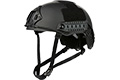
Helmets — ballistic and bump helmets that protect the head from impact and reduce blunt-force injury. Modern tactical helmets often include accessory rails and mounts for lights, cameras, and night-vision.
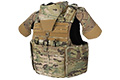
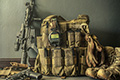
Vests and plate carriers — load-bearing platforms that carry ballistic plates, magazines, medical kits, and tools. Plate carriers balance protection with mobility.
Backpacks — mission-specific packs with compartments for water, comms, medical gear, and rapid-access pouches.
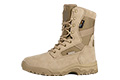
Boots — ankle-supporting footwear built for traction, long-distance wear, and foot protection on rough terrain.
Pouches and load-carrying accessories — modular pouches that attach to vests and packs using standardized webbing systems.
Communications equipment — handheld radios, headsets, antennas, and mounting hardware that enable team coordination.
Optics and sighting systems — scopes, red dots, magnifiers, and night optics that increase target acquisition speed.
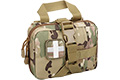
Medical and utility kits — compact trauma kits, tourniquets, and multi-tools tailored for field treatment and maintenance.
These categories typically form interoperable systems so a user can adapt gear to a task rather than buying single-use items.
Tactical gear is distinguished by three main design priorities:
Durability — heavy-duty fabrics, reinforced stitching, and tested components like zippers, buckles, and webbing made from materials such as Cordura 1000D and Kevlar.
Modularity — standardized mounting systems like MOLLE that let users rearrange pouches and accessories to fit a mission.
Load-bearing and ergonomics — padded harnesses, adjustable cummerbunds, and plate pocket systems that distribute weight and reduce fatigue.
Camouflage and signature management — fabrics and finishes designed to reduce visibility in specific environments.
Protection levels — whether soft armor, stab-resistant panels, or rigid ballistic plates, protection is certified to established standards.
Tactical gear’s core purpose is to improve performance and survivability in time-critical professional operations. Below are the main professional domains that rely on tactical equipment.
Military units use tactical gear across training, patrols, and combat operations. Helmets and plate carriers protect personnel from fragmentation and ballistic threats. Backpacks and load-bearing systems enable soldiers to carry mission-essential supplies such as ammunition, water, batteries, and medical kits. Communications and optics are mission enablers—without reliable radios and sighting systems, coordinated action and situational awareness suffer.
Different mission roles require different loadouts: reconnaissance teams prioritize mobility and low signature, while breachers or vehicle crews need more specialized protective equipment and tools. Quality tactical gear reduces cognitive and physical load, allowing personnel to focus on mission tasks.
Police, SWAT, and emergency responders adopt tactical equipment for entries, vehicle stops, crowd control, and rescue operations. Plate carriers with quick-release systems, ballistic helmets, and modular pouches for medical gear and less-lethal options are common. Compact comms and scene lighting improve coordination during night operations. For first responders, trauma kits and organized pouches save time when every second counts.
Private security teams and contractors working in risk-prone environments use tactical gear to protect personnel and assets. Their needs often blend military and civilian considerations: durability and protection are important, but comfort for long shifts and discrete profiles may also be needed. Modular systems let security teams adapt loadouts for convoy protection, static posts, or close-protection duties.
Tactical gear has found broad civilian adoption because the same design principles that serve professionals also benefit many non-military users. Below are common civilian use cases.
For hikers and hunters, durable packs, reliable boots, and modular pouches make carrying supplies easier and safer. Hunters benefit from optics and low-profile camouflage, while airsoft and paintball players adopt rigs and vests for realism and utility. Tactical-grade materials extend gear life for users who subject equipment to weather and rough handling.
Preparedness-minded civilians use tactical gear to build grab-and-go kits, vehicle toolkits, and emergency medical packs. Plate carriers and ballistic plates are sometimes considered for high-risk scenarios, but most civilians prioritize durable backpacks, trauma kits, and reliable lighting and communication devices.
Tradespeople and outdoor professionals value the organization and durability of tactical equipment. Modular pouches let technicians carry tools in configuration that speeds work. Guides and search-and-rescue personnel use tactical packs and harnesses that keep hands free and essential gear close at hand.
Tactical gear delivers measurable benefits that go beyond “looking tough.” This section explains key performance and safety gains.
Protection varies by product. Soft armor and plate carriers provide ballistic resistance certified to standards. Stab-resistant panels protect against edged threats. Non-ballistic gear—impact helmets, reinforced boots, and cut-resistant gloves—mitigate common workplace injuries. Understanding the threat profile helps buyers choose the correct protection level.
Good tactical systems distribute weight across hips, shoulders, and chest to reduce fatigue and prevent injury. Adjustable harnessing and padded straps improve long-duration comfort. When gear fits and is set up correctly, performance increases and the risk of musculoskeletal strain decreases.
Modular pouches and standardized attachment systems let users arrange tools for speed. Magazine pouches, medical pouches, and admin pockets placed within immediate reach reduce retrieval time. In emergencies, a well-organized chest rig or belt can mean faster response and better outcomes.
Field medic: a chest rig with a compact trauma kit, tourniquet, and bandages lets a medic treat a casualty within seconds of contact.
Mountain guide: a mission pack with integrated hydration, signaling devices, and spare clothing lets the guide extend operations in adverse weather.
Security convoy: plate carriers, comms, and helmet-mounted lighting maintain protection and coordination during movement in high-risk zones.
Selecting tactical gear should be methodical. Use this checklist to match requirements to gear features.
Define the mission environment and likely threats. Will you face ballistic risk, or are impact and weather resistance the main concerns?
Prioritize fit and mobility. Try vests, helmets, and boots with the exact clothing and load you’ll carry.
Check materials and construction. Look for Cordura 1000D, reinforced stitching, and high-quality hardware.
Verify modularity. Ensure compatibility with MOLLE and similar systems so you can reconfigure pouches and accessories.
Assess weight vs. protection trade-offs. More protection usually means more weight; balance based on mission duration.
Review standards and certifications. For ballistic products, request NIJ or equivalent test reports and factory certifications.
Consider warranty and spare parts availability. Long-term maintenance matters for institutional buyers.
Guangzhou Alida Trading Co. Ltd. produces a wide range of tactical solutions—helmets, plate carriers, backpacks, boots, and modular pouches—manufactured on 32 production lines with materials such as Nylon 1000D, Cordura 1000D, Kevlar, and PE. Our ballistic products are tested to NIJ standards. Product lines are designed for modularity, weight efficiency, and long service life, making them suitable for military, law enforcement, private security, and civilian preparedness markets. For inquiries about specifications, bulk pricing, or custom requirements, please visit our product pages or contact our sales team for a quote.
To ensure longevity and safety, follow these basic maintenance steps:
Clean textile items with mild soap and air dry; avoid machine drying where possible.
Inspect stitch lines, buckles, and webbing regularly for wear.
Store ballistic plates and soft armor flat and out of sunlight to preserve materials.
Replace consumables like hydration bladders, batteries, and elastic retention devices on a schedule consistent with manufacturer guidance.
Tactical equipment serves distinct purposes across military operations, law enforcement, private security, and civilian activities—improving protection, organization, and task performance while enabling users to adapt to changing demands. Guangzhou Alida Trading Co. Ltd. offers certified products that meet those needs and supports institutional and commercial buyers with product details and compliance documentation. If you need fitted solutions or catalog support, contact us for specifications and quotes; consider starting with a tactical vest to build a tailored loadout. Military Gear remains a practical investment when matched to real-world needs and maintained correctly.